You weren’t born to be liked — you were born to be free.
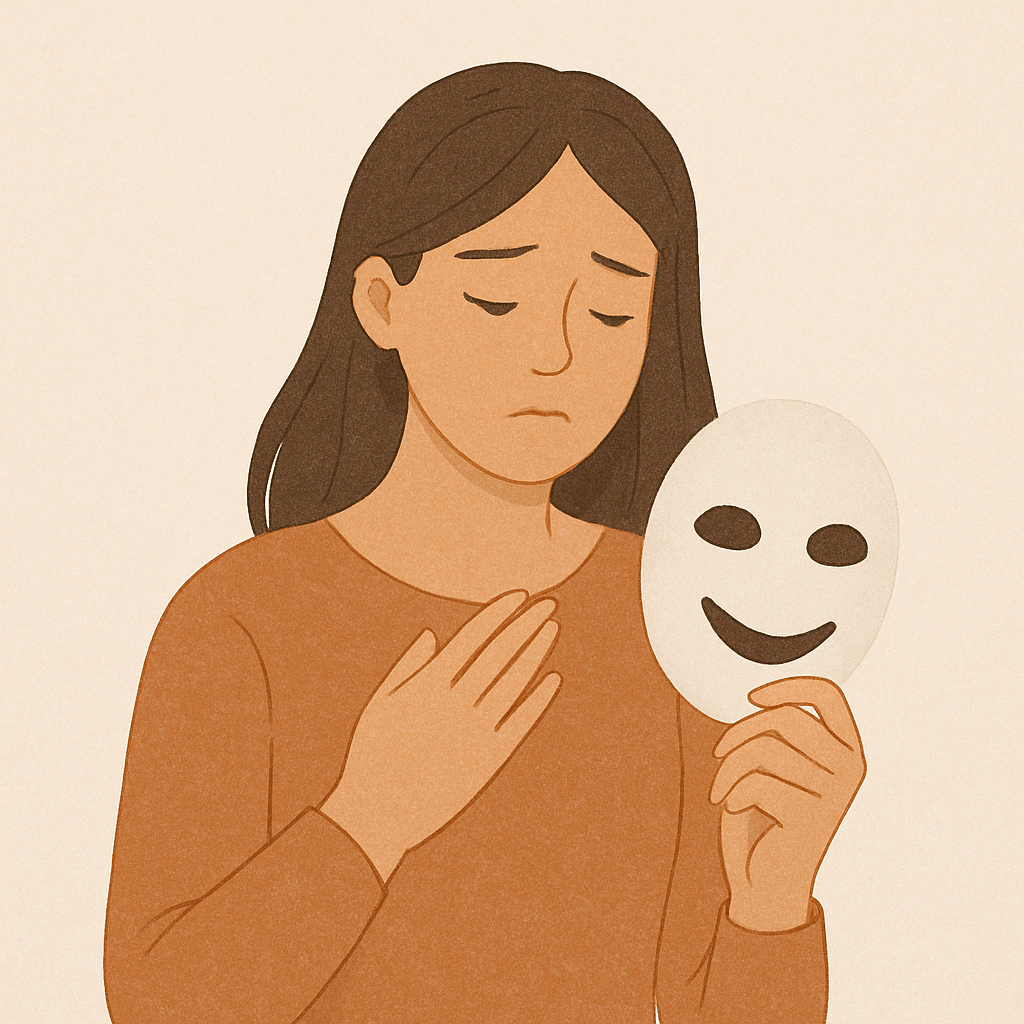
People-pleasing doesn’t start with weakness — it starts with love.
A child learns early:
- If I’m quiet, I’m safe.
- If I’m helpful, I’m loved.
- If I’m good, I’m accepted.
It’s not wrong to want connection. But when your nervous system begins to link love with self-abandonment, people-pleasing becomes a survival strategy.
And what begins as “kindness” slowly becomes:
- Saying yes when you mean no
- Smiling when you feel broken
- Making yourself small to keep the peace
- Losing your voice to avoid rejection
But here’s the truth that sets you free:
Being “good” isn’t the same as being whole.
And you deserve to be whole.
What People-Pleasing Really Is (And Why It’s Not Your Fault)
At its core, people-pleasing is an attempt to avoid conflict, shame, or rejection by prioritizing others’ emotions over your own truth.
It often comes from:
- Childhood emotional neglect or criticism
- Being praised only for being “easy” or “helpful”
- Fear of abandonment or punishment
- Cultural or gender conditioning
Nervous system insight:
When you feel unsafe being fully yourself, your brain activates the fawn response — a trauma response where you appease others to stay emotionally secure.
So no, you’re not weak. You’ve simply learned to trade authenticity for approval.
And now? You’re ready to unlearn it.
Signs You Might Be Stuck in People-Pleasing Mode
- You feel responsible for other people’s feelings
- You say “yes” and immediately regret it
- You avoid expressing needs or asking for help
- You fear being seen as selfish, rude, or “too much”
- You feel burnt out, resentful, or quietly angry
If this is you: you’re not alone.
You are in the middle of remembering yourself.

How to Begin Healing from People-Pleasing (Step by Loving Step)
1. Name the Pattern Without Shame
Say to yourself:
“This was how I survived. Now I’m allowed to choose something new.”
Healing begins with honesty — not judgment.
2. Practice Micro-Boundaries
Start with small no’s:
- “I’m not available for that.”
- “Let me think about it.”
- “I’d prefer this instead.”
You’re not rejecting anyone. You’re respecting yourself.
3. Let Discomfort Be Part of the Process
Yes, people might feel surprised. That’s okay.
You are not responsible for everyone’s comfort — only your own alignment.
4. Get Curious About the Fear Beneath the Pleasing
Ask:
“What am I afraid will happen if I disappoint someone?”
Then ask:
“What part of me still believes I have to earn love?”
These reflections open doors to deeper healing.
5. Reconnect With Your Inner Truth
Journal daily or speak into the mirror:
“What do I want today?”
“What am I holding back?”
“What do I need to feel safe being honest?”
Wholeness begins when you give yourself permission to tell the truth.
What Freedom Feels Like on the Other Side
- Saying no without guilt
- Letting people have their reactions — and not making them your responsibility
- Choosing yourself, even when it’s uncomfortable
- Feeling grounded, confident, and more you than ever
The best part?
When you stop performing for approval, the love you receive becomes more real — because you’re real.
Ready to Reclaim Your Voice Without the Guilt?
I created something gentle and clear to help you begin.
“5 Signs You’re Losing Yourself — And How to Start the Return”
And if you’re ready to rebuild your self-worth, identity, and confidence from the inside out, I’d love to support you personally through my program:
Final Thought:
You were not put on this earth to be pleasing — you were meant to be authentic, bold, imperfect, and free.
Let someone else be “good.”
You? You get to be real.
And that is more than enough.
More reflections on healing and self-love? Join me on Instagram